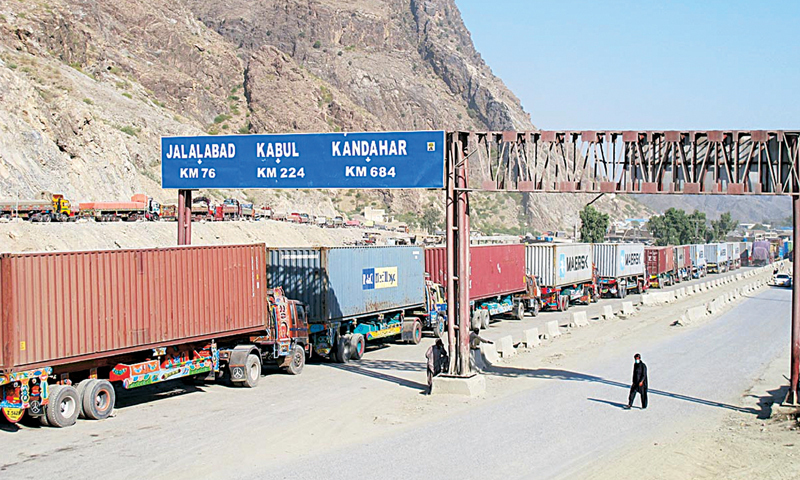
Pakistan: Negative Effects on the Domestic Economy of Afghan Transit Trade
Pakistan is experiencing deep and negative impacts on its domestic economy due to Afghan transit trade. To revive the economy, aligning Afghan transit trade with prevailing international laws is of utmost importance in Pakistan. Afghan authorities often provide inaccurate statements to Pakistani customs regarding the prices of goods, leading to a significant disparity between reported and actual values. As a result, these goods enter Pakistan through illegal means.
Under the transit trade, Afghan revenues saw a 67% increase, amounting to $6.71 billion in February 2022-23, compared to $4 billion in the previous year. Imports from Afghanistan to Asia include artificial fibers, electrical equipment, electronics, tires, tea, and more. Many of these categories have recorded substantial increases in revenue.
The negative impacts of Afghan transit trade also extend to Pakistan’s small and medium-sized industries, adversely affecting Pakistan’s economy. The significant increases in imports include a 48% rise in manufactured goods from artificial filaments, a 62% increase in electronics, a 42% rise in tires and rubber, a 51% surge in tea, a 34% increase in machinery, and a 46% decrease in vegetable and fruit imports.